 Skip to main content


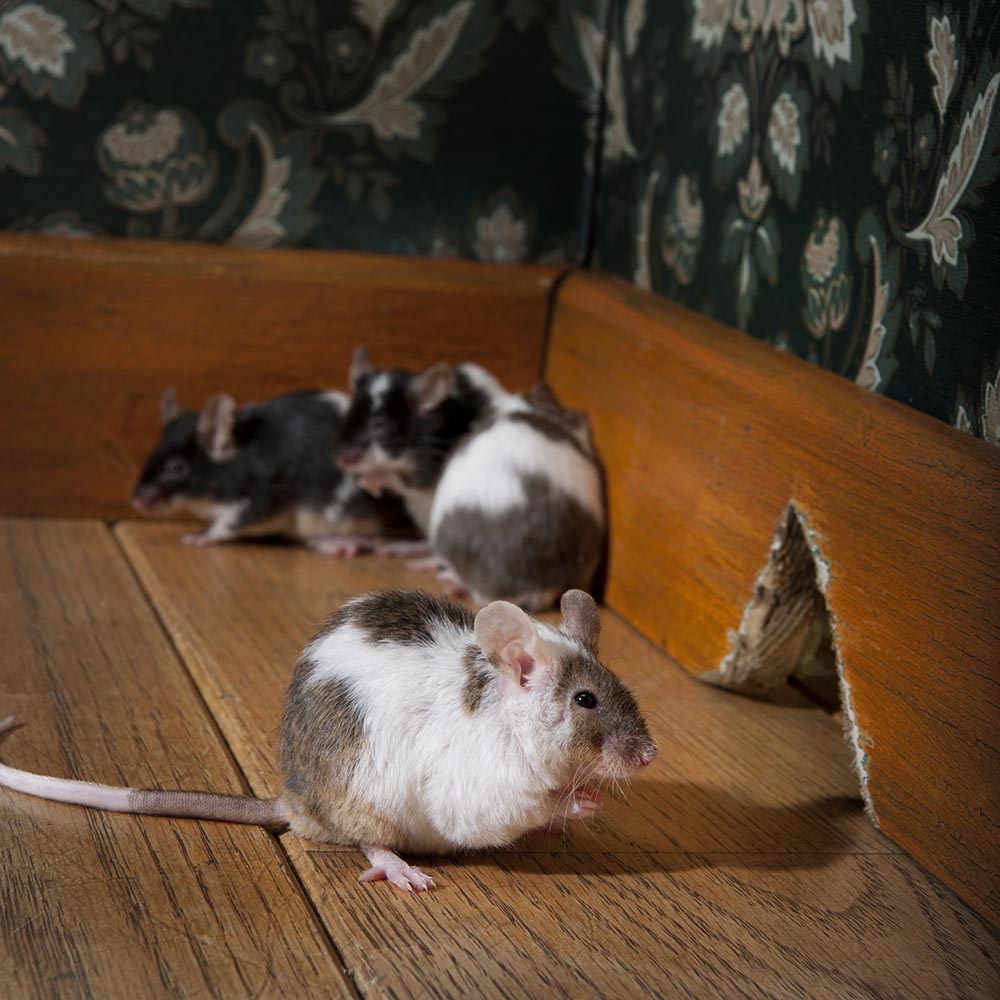
At Swat Pest Control, we often receive interesting questions about the behaviour of rats—one of the most common pests we deal with across Brisbane homes and businesses. Two of the most popular questions are: “What is a rat’s worst enemy?” and “What is a rat’s worst fear?”
These questions highlight an important point: to control pests effectively, we need to understand them. Rats are not only intelligent survivors but also highly adaptive creatures. Their fears, instincts, and natural predators play a big role in how they behave and how we can successfully remove them from properties.
In this article, we’ll explore both sides of the story—what natural enemies threaten rats, what they fear most, and how we can use that knowledge to protect Brisbane homes from infestation.
The Rat’s Worst Enemy: Nature’s Predators
Rats may seem fearless when they dart across your kitchen floor or scurry in your ceiling, but in the animal world, they have plenty of predators to watch out for.
1. Birds of Prey
Owls, hawks, and eagles are among a rat’s most dangerous natural enemies. These birds have excellent vision, razor-sharp talons, and the ability to swoop down silently. Owls, in particular, are highly effective hunters at night, when rats are most active.
In rural areas, barn owls are natural rodent controllers. A single barn owl family can eat thousands of rats and mice in one breeding season. Unfortunately, in urban environments like Brisbane, natural predators are less common, which is why infestations grow quickly.
2. Snakes
Snakes are another top predator of rats. Many snake species actively hunt rodents, making them a natural part of the food chain. While snakes help control rat populations in the wild, most homeowners certainly don’t want to rely on snakes as a form of pest control.
3. Dogs and Cats
Domesticated pets—especially cats—have long been used to deter rats. Cats are natural hunters, and their presence alone can sometimes keep rats at bay. Certain dog breeds, like terriers, were bred specifically for rodent hunting. However, modern pets are not always reliable pest controllers, and rats can be surprisingly bold, sometimes living comfortably in homes even with pets around.
4. Humans
Humans are arguably a rat’s biggest enemy. Throughout history, we’ve invented traps, poisons, and other control methods to combat rat infestations. Unlike other predators, humans pose a long-term, intelligent threat because we actively seek to eradicate rats from our homes, farms, and cities.
At Swat Pest Control Brisbane, we consider ourselves part of this ongoing battle—helping homeowners protect their properties and health by eliminating rat infestations safely and effectively.
The Rat’s Worst Fear: Instincts and Survival
Rats are intelligent, but they’re also hardwired with strong survival instincts. These instincts shape their fears, which in turn affect their behaviour. Understanding these fears is key to successful pest management.
1. Fear of Predators
Naturally, rats fear the animals that hunt them. Even the scent of a cat, dog, or predator bird can trigger stress and avoidance behaviours. Studies show that rats exposed to predator odours become more cautious, hiding more often and avoiding areas where they detect danger.
2. Fear of Humans
Although rats are bold enough to live near us, they generally fear direct human interaction. Loud noises, sudden movements, and bright lights can scare them off temporarily. This is why you may hear them scurrying away when you enter a room at night. However, their fear is limited—rats will quickly return once they sense the coast is clear.
3. Fear of New Objects (Neophobia)
Rats are notoriously cautious of new objects in their environment—a behaviour known as neophobia. If you place a trap or bait in a room, rats may avoid it for days or even weeks until they feel it’s safe. This fear is one reason DIY rat control often fails. People expect instant results, but rats are clever enough to test and avoid unfamiliar threats.
4. Fear of Open Spaces
Rats prefer dark, enclosed spaces where they feel safe from predators. Open spaces make them vulnerable, so they typically travel along walls, skirting boards, or hidden pathways. This is why you often see greasy rub marks on walls—evidence of their regular routes.
5. Fear of Starvation
Food scarcity is another driver of rat behaviour. While not a “fear” in the emotional sense, the survival instinct to avoid hunger pushes them to invade homes and businesses. Rats are highly resourceful and will chew through packaging, wires, and even wood to access food sources.
How Rats’ Enemies and Fears Affect Infestation Patterns
The combination of predators and fears influences how rats live, reproduce, and spread.
- No predators in urban areas – In Brisbane’s suburbs, there are fewer natural predators like owls or snakes. This lack of enemies allows rat populations to flourish unchecked.
- Cautious behaviour – Their fear of new objects makes rats difficult to trap, requiring professional strategies rather than simple bait stations.
- Hidden living spaces – Their avoidance of open areas drives them into roof voids, wall cavities, and basements, making infestations harder to detect.
- Reliance on human food – Rats’ fear of starvation pushes them closer to human settlements, where food is plentiful.
At Swat Pest Control Brisbane, we use this knowledge of rat psychology to create effective treatment plans. By understanding what rats fear and how they behave, we can outsmart them and eliminate infestations quickly.
Can Fear Be Used to Deter Rats?
You may wonder if it’s possible to use rats’ fears against them. While it sounds appealing, in practice, it’s not so simple.
- Predator scents – Some products claim to use predator urine or smells to scare rats away. While rats may initially avoid these scents, they quickly adapt and learn there’s no real danger.
- Ultrasonic repellents – These devices claim to scare rats with sound frequencies. However, studies show mixed results, with rats adapting or ignoring the sounds over time.
- Pets – Having a cat or dog can help deter rats, but they are not a guaranteed solution. Rats are highly adaptable and can still infest pet-friendly homes.
The reality is that fear-based deterrents rarely provide long-term protection. The most effective solution remains professional pest control that targets the infestation at its source.
Professional Rat Control: Outsmarting Their Instincts
As a professional rat control in Brisbane, we understand how rats think, move, and react to their environment. By combining this knowledge with proven treatment methods, we eliminate rat infestations effectively.
Our approach includes:
- Thorough Inspection – Identifying nesting sites, entry points, and feeding areas.
- Safe, Targeted Treatments – Using baits and traps placed strategically to overcome rats’ natural fears.
- Exclusion – Sealing entry points so rats cannot return to the property.
- Sanitation Advice – Helping property owners remove food and water sources that attract rats.
- Ongoing Monitoring – Ensuring the infestation is gone and stays gone.
Unlike natural enemies or fear-based deterrents, our methods provide long-term solutions.
Final Thoughts
So, what is a rat’s worst enemy? In nature, rats face threats from owls, snakes, cats, dogs, and—most significantly—humans. And what is a rat’s worst fear? Their instincts drive them to fear predators, humans, new objects, open spaces, and starvation.
While these enemies and fears shape rat behaviour, they don’t stop infestations from taking hold in Brisbane homes and businesses. Rats are too adaptable and clever to be managed by predators or deterrents alone.
That’s why professional pest control is essential. At SWAT Pest Control, we use expert knowledge of rats’ psychology and behaviour to eliminate infestations at the source, protecting your property and health.
If you’ve noticed signs of rats—droppings, gnaw marks, strange noises at night—don’t wait until the problem escalates. Contact our friendly team today. We’ll make sure rats have far more to fear from us than from anything else in their environment.
