 Skip to main content



You’ve spotted small droppings, scratching noises at night, or a quick blur disappearing under the fridge. Is it a rat… or a mouse? The confusion matters. Rats and mice behave differently, carry different risks, and require different control strategies. Misidentifying them can cost you time, money, and peace of mind.
In this guide, I’ll clearly explain whether rats and mice are related, how they differ, and how to tell which one you’re dealing with using biology, real-world experience, and practical pest-control insight.
- Are Rats and Mice Related
- Comparison Table: Rat vs Mouse
- Are Rats and Mice Related?
- Key Physical Differences Between Rats and Mice
- Behavioural Differences That Matter in Real Life
- Health Risks and Why Identification Is Important
- How to Tell If You Have a Rat or a Mouse
- Pest Control Implications: Why “Rat vs Mouse” Changes Everything
- Expert Insights & Pro Tips
- Conclusion
- FAQs
Are Rats and Mice Related
Yes, rats and mice are related. They are both rodents within the superfamily Muroidea and often the family Muridae. However, they belong to different genera; rats are typically Rattus, while mice are usually Mus. Rats are larger, heavier, and more cautious, and they behave differently from mice.
Comparison Table: Rat vs Mouse
| Feature | Rat | Mouse |
| Scientific genus | Rattus | Mus |
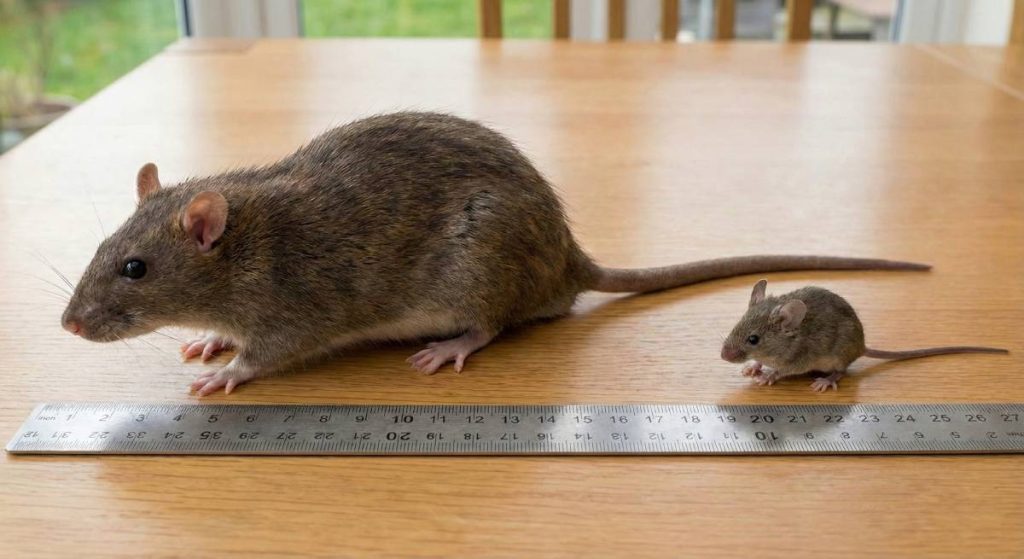
| Typical size | 23–28 cm body | 6–10 cm body |
| Weight | 200–500 g | 12–30 g |
| Tail | Thick, scaly, shorter than the body | Thin, long, often longer than the body |
| Snout | Blunt, wide | Pointed, narrow |
| Behavior | Cautious (neophobic) | Curious (neophilic) |
| Common species | Norway rat, Roof rat | House mouse |
Are Rats and Mice Related?
Yes, rats and mice are biologically related, but not the same animal.
If you’re curious about the kinds of rats you might encounter in Australia and how they compare to mice, including native vs introduced species, we also explore the most common rat species found around Brisbane and what makes each unique.
Here’s the simplified taxonomy:
- Order: Rodentia (rodents)
- Superfamily: Muroidea
- Family: Muridae (the largest mammal family)
- Genus:
- Rattus → rats
- Mus → mice
Think of it like this:
Rats and mice are cousins, not siblings.
They share a common evolutionary ancestor, but over time evolved into different genera with distinct physical traits, behaviours, and ecological roles.
Why this matters:
Many articles stop at “they’re both rodents.” That’s incomplete. Pest behaviour, reproduction, and even disease patterns differ at the genus level, which is why professional identification is so important.
Key Physical Differences Between Rats and Mice
1. Size and Weight
This is the most obvious difference.
- Rats are bulky, muscular, and heavy.
- Mice are small, delicate, and lightweight.
If the animal looks “solid” rather than “dainty,” you’re likely dealing with a rat.
2. Head, Ears, and Snout Shape
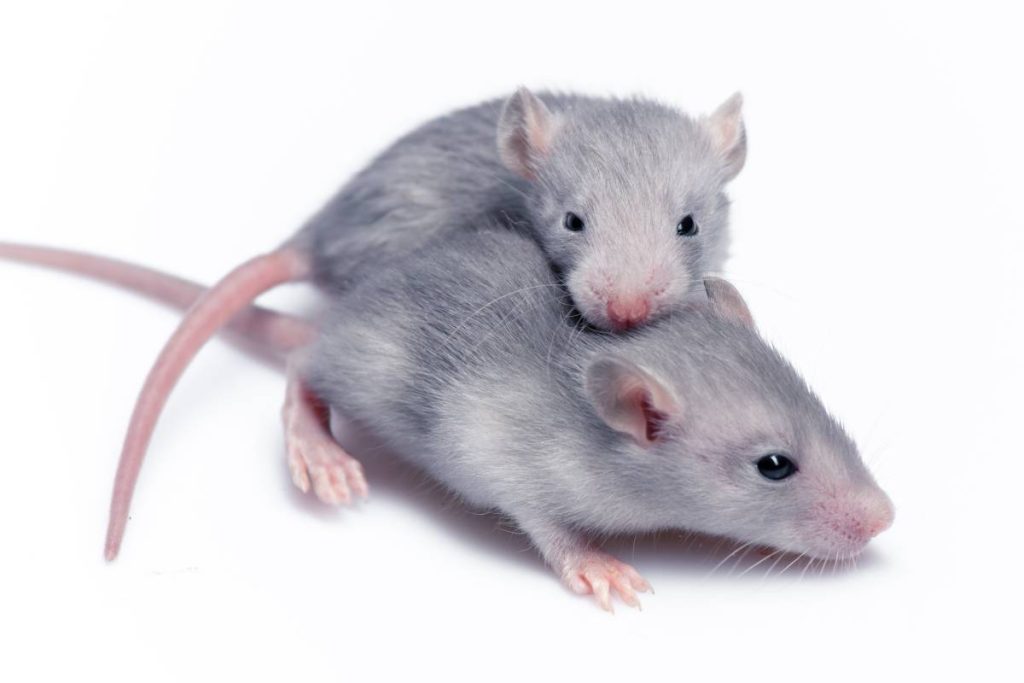
- Rats: blunt snout, smaller ears relative to head
- Mice: pointed snout, large ears relative to head
This difference becomes very clear in profile photos or night-vision footage.
3. Tail Texture and Proportion
- Rat tails are thick, scaly, and usually shorter than the body
- Mouse tails are thin, flexible, and often longer than the body
Quick ID rule:
If the tail looks rope-like → rat
If it looks whip-like → mouse
Behavioural Differences That Matter in Real Life
This is where experience, not just biology, comes in.
Rats Are Cautious (Neophobic)
Rats are extremely intelligent and suspicious.
- Avoid new objects
- Learn trap locations
- Often test food before fully eating it
Mice Are Curious (Neophilic)
Mice explore constantly.
- Investigate new objects
- Enter traps quickly
- Take small bites from many food sources
Why this matters:
A trap that works perfectly for mice often fails completely with rats.
Reproduction & Lifespan
- Mice reproduce faster but live shorter lives.
- Rats reproduce slightly slower but live longer and learn from experience.
This makes rat infestations harder to eliminate once established.
Health Risks and Why Identification Is Important
Both rats and mice pose health risks—but in different ways.
Common Risks from Rats
- Leptospirosis
- Salmonella
- Rat-bite fever
- Structural damage (gnawing wires, pipes)
Common Risks from Mice
- Hantavirus
- Food contamination
- Allergens triggering asthma
Key takeaway:
Rats tend to cause structural and electrical damage, while mice are more associated with food contamination and allergens.
How to Tell If You Have a Rat or a Mouse
Use this real-world checklist:
Droppings
- Rat droppings: large, capsule-shaped
- Mouse droppings: small, rice-like
Sounds
- Rats = heavy scratching, thumping
- Mice = light scurrying, high-pitched noises
Damage
- Rats gnaw through wood and plastic
- Mice leave fine chew marks and shredded nesting material

Pest Control Implications: Why “Rat vs Mouse” Changes Everything
Misidentification is the 1 reason DIY pest control fails.
Traps
- Mouse traps are too weak for rats.
- Rat traps are often ignored by mice.
Baiting Strategy
- Rats require delayed, strategic baiting.
- Mice respond well to immediate placement.
Entry Points
- Rats enter through damaged vents, drains, and roof gaps.
- Mice can squeeze through holes as small as a coin.
Because rats and mice have different food preferences and behavioural traits, choosing the right bait is key, and this detailed guide on the best baits for rat vs mouse traps can help you improve your control strategy.
Expert Insights & Pro Tips
Pro Tip 1: Dropping Size Never Lies
In over a decade of pest-control assessments, droppings have proven more reliable than sightings. Animals lie. Droppings don’t.
Pro Tip 2: One Rat ≠ One Problem
If you see one rat, assume several more. Rats are social and rarely travel alone.
Pro Tip 3: Daytime Sightings Are a Red Flag
Rats and mice are nocturnal. Seeing one during the day often signals overcrowding—a sign of a serious infestation.
Conclusion
So, are rats and mice related?
Yes, but their differences are significant and practical.
- They share ancestry, not behaviour.
- They look similar, but act very differently.
- Correct identification determines whether your solution works or fails.
If you’re hearing noises, finding droppings, or noticing damage, ask yourself:
Do I really know which rodent I’m dealing with?
If you’re still unsure whether you’re dealing with rats or mice or want a professional assessment to prevent further damage, get in touch with a qualified pest control expert for tailored advice.
